Transportation Demand Management: A Collective Effort towards Building Sustainable Communities
 May 7, 2026
Cities across Western Canada are growing rapidly, bringing more people, more activity, and inevitably, more pressure to our transportation networks. Time and experience have shown that we cannot build our way out of congestion, a reality that has opened the door to smarter ways of designing sustainable communities and implementing transportation demand management (TDM) measures that help people adapt and change their travel behaviours.
Adapting to Congestion
When transportation networks become congested, people don’t all respond the same way, but they do naturally begin to adjust how, when, and where they travel. These adaptations are shaped not only by congestion itself, but also by land use, community design, and the transportation options available. The following travel behaviours reflect some, but not all of the ways, that people respond to these conditions:
Multi-purpose (or trip-chained) Trips:
Over the past two decades, the development of mixed-use, complete communities has been on the rise, placing homes, shops, services and recreation closer together. This has allowed people to undertake multiple activities within a single outing, often without moving their vehicle, a pattern known in transportation planning as trip chaining.
Internal Trips:
Some trips occur entirely within a neighbourhood or community. Known as internal trips, these journeys reduce pressure on major roads by keeping travel local. Depending on distance and design, many internal trips can also be made by walking, cycling, or other non-vehicle modes.
Re-timed and Foregone Trips:
Congestion also influences when, and whether, people choose to travel. Re-timed trips occur when individuals intentionally avoid peak hours by travelling at a different time of day. For commuters, this often means travelling during the shoulder period before or after the typical peak hours of the day. In other cases, people may forgo certain trips altogether.
Modal Shift:
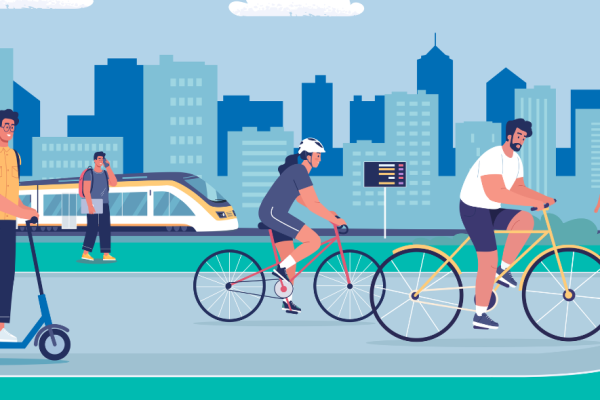
Increased congestion can also impact travel-mode choice. Instead of individuals driving their own vehicles, they may opt to carpool, take transit, walk, or bike, to get to their destination. These alternatives reduce single-occupant vehicle trips while offering healthier and more affordable travel options.
TDM builds on these behaviours by making it easier, safer, and more convenient to reduce vehicle trips or choose alternative modes of transport. Rather than expanding infrastructure alone, TDM aligns with land use, policy, and mobility options to support how people already behave, and helps communities become more connected and sustainable long-term.
The Evolution of TDM
Understanding how TDM has evolved over time helps inform how it can be applied effectively today. While the core principles centre around reducing single-occupant vehicle trips and expanding sustainable travel choice and accessibility, it’s implementation into policy and practice has made significant strides across Western Canada.
British Columbia:
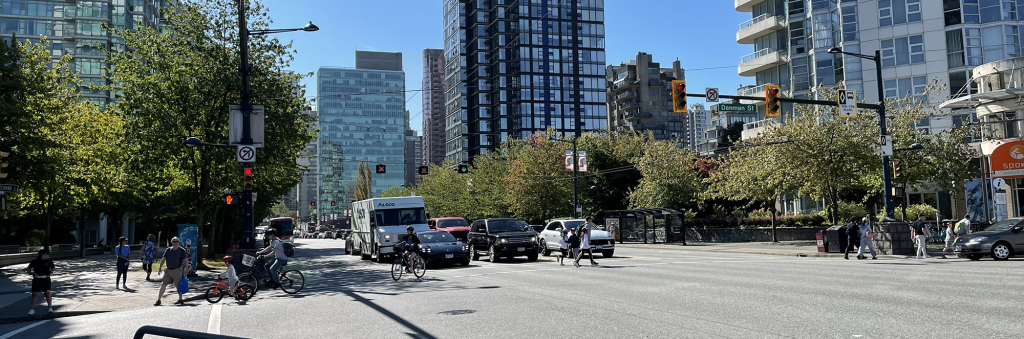
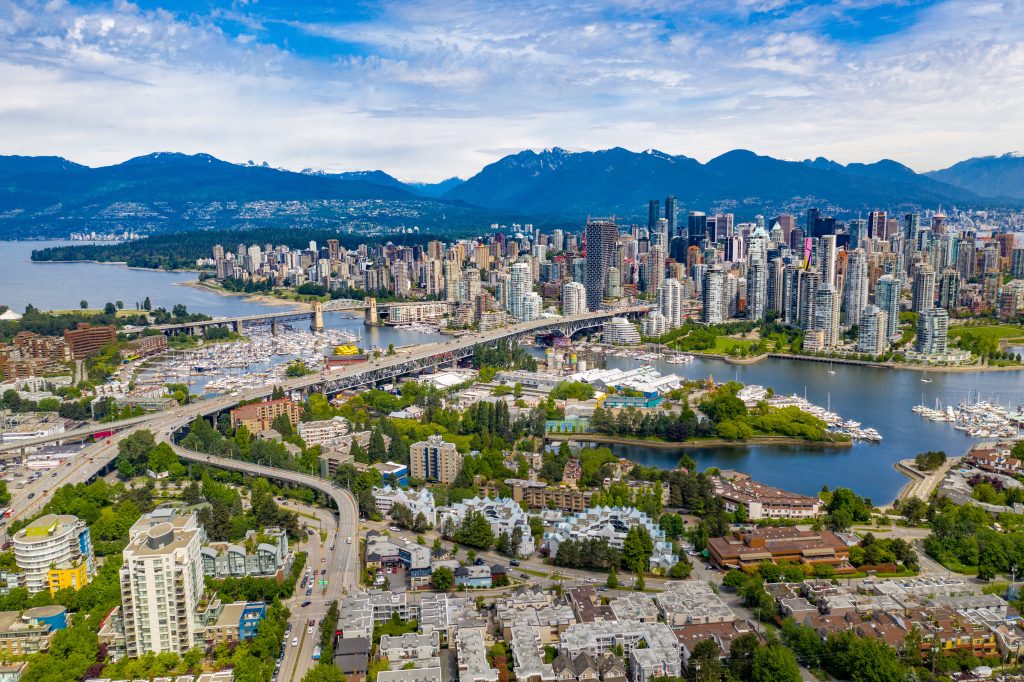
Over the past 15 to 20 years, TDM in British Columbia has evolved from a “nice-to-have” value-add to something that is embedded in land-use planning and climate action goals. For example, many provincial policies now include development policy direction that prioritize developments around rapid transit stations. At the municipal level, parking bylaws are being updated regularly to reflect evolving approaches to minimum parking requirements. Programs like TransLink’s Compass for Developments (CfD) integrate TDM principles directly into land use and development approvals, encouraging developers to consider mobility early in the process. Employers are also playing a bigger role by implementing measures such as enhanced end-of-trip facilities, transit subsidies, and carpool incentives.
The advancement of TDM overtime reflects a continuous improvement process. The City of Vancouver, for example, was the first municipality in the region to introduce formal TDM requirements, but they have recently temporarily suspended the TDM plan requirement for development permit applications submitted after December 10, 2025, due to factors such as rising construction costs and a softening real estate market. While the City recognizes that TDM remains a core strategy for shifting travel behaviour, this temporary measure allows the market to recover from current conditions. During this time, the City will monitor and evaluate developments previously approved with TDM measures to assess effectiveness and guide the future direction of TDM initiatives. This approach demonstrates a commitment to ensuring that future TDM policies are more targeted and balance policy objectives with practical application in support of sustainable communities. It is also important to note that while the City of Vancouver has chosen to pause their TDM Program, many other municipalities in BC (such as Burnaby, Coquitlam, New Westminster, and Victoria) have recently adopted new TDM policies to ensure projects will be delivered and supported with realistic mobility options to encourage people to travel in a more sustainable manner.
Alberta:
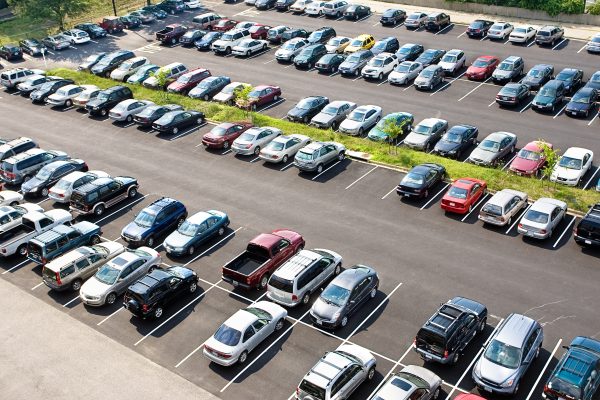
In Alberta, many of the same TDM efforts are evolving, primarily at the municipal government level through local planning, developer requirements, and incentive programs. While many municipalities historically regulated minimum parking supplies for new developments, some major urban centres have enacted significant zero-parking initiatives and/or require developers to justify the need for a specific parking supply, as opposed to mandating it. Employer-led programs are also becoming more common, such as transit subsidies and carpool incentives, which help to reduce single-occupancy vehicle trips and support broader sustainability objectives.
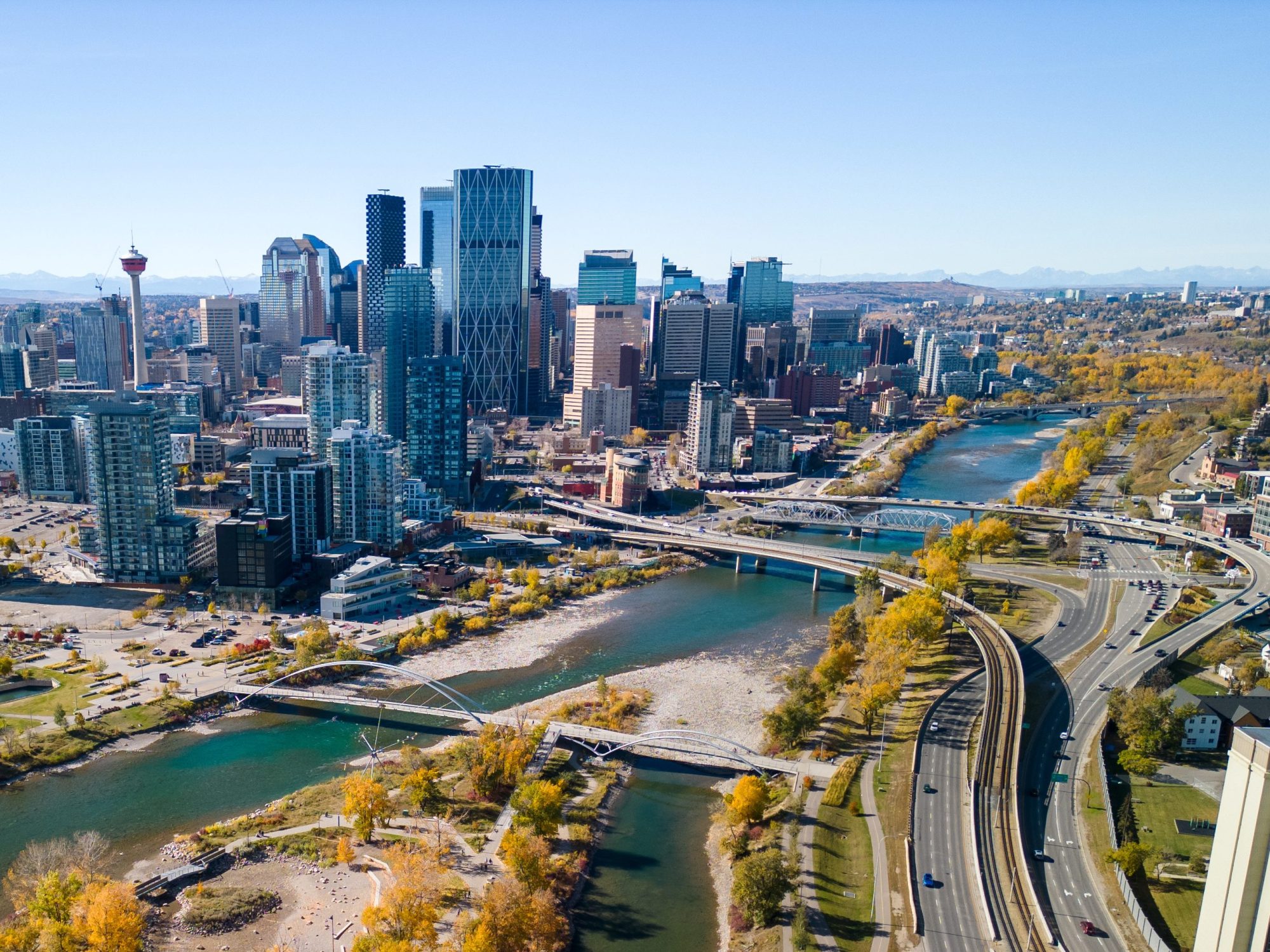
In both Provinces, and elsewhere in Western Canada, transportation planners and engineers, like Bunt, are increasingly moving beyond policy interpretation and are helping municipalities establish clear TDM frameworks that facilitate meaningful change and that are easily understood and implemented by developers.

“As we right-size parking supplies, there’s also a need to right-size TDM measures. Ineffective or overly costly measures can have the unintended consequence of increasing costs with negligible associated benefit to the transportation network. Whereas not providing measures to support non-auto travel is inconsistent with land-use planning policies and sustainability goals. Finding the right balance is crucial for the success of urban projects.”
– Amrit Uppal, Principal, Senior Transportation Engineer at Bunt & Associates
Making TDM Work: A Collective Effort
TDM is not a one-size-fits-all approach. What works well in a more dense, urban centre, may not reflect the needs of suburban or rural communities. The most successful TDM initiatives are those grounded in local context, that recognize how people truly live, work, and move within their communities and that keep access, affordability, and travel pattern considerations in mind.
As travel patterns and behaviours continue to evolve, there are many decision makers and partners, each contributing in different ways, who have a role to play in ensuring successful TDM outcomes.
Local governments guide policy and zoning requirements, infrastructure, and incentives that make sustainable travel feasible; developers, with the support of consultants, translate policy requirements which in turn influence site design and determine parking supply and mobility requirements; design professionals, together with developers, turn the requirements set by local government into practical, context-appropriate site layouts; builders construct the approved design and TDM measures; institutions and employers administer TDM programs and provide incentives to encourage sustainable commuting; transit agencies and operators ensure reliable service and connectivity; and communities and individuals, i.e. the end users, shape outcomes through their daily travel choices, feedback, and participation.
As part of the Design Professionals team, transportation planners and engineers, like Bunt, often play a critical role in coordinating efforts amongst these groups, ensuring policies, infrastructure, and programs work together to support better travel choices. When everyone is at the table, TDM measures are implemented that are not only efficient but also sustainable, equitable, and responsive to community needs.

“TDM is about behavioural change. As we seek to accommodate the mobility needs of the growing population in our communities, we cannot expect our road network to continue to expand. We all need to start putting on our thinking caps to identify measures and ideas that would help people get around without relying on driving their own vehicles.”
– Christephen Cheng, Principal, Lead Innovation at Bunt & Associates
Measuring TDM Effectiveness
The success of TDM ultimately depends on individuals either choosing alternative travel modes such as walking, cycling, or transit; and/or travelling at different or even slightly offset times of the day. These decisions may be influenced by incentives, infrastructure, convenience, or personal preference, but collectively they determine whether a TDM program is delivering meaningful results.
As travel behaviour is complex and influenced by multiple factors, no single metric can capture the full impact of TDM. A combination of qualitative and quantitative tools or approaches to measuring effectiveness is often required to understand such, some of which include the following:
Public Engagement Surveys/Interviews:
Gathering insights or data on how people currently travel, the barriers that exist, and whether TDM initiatives are influencing, or could influence, their travel choices. These insights can help refine or inform future strategies.
Building Comparison Analysis:
Comparing travel behaviour or patterns between similar developments, for example one that has implemented TDM measures to one that has not, can help identify differences in vehicle ownership, mode sharing, or parking demand.
Traffic Counts and Vehicle Monitoring:
Comparing before and after vehicle volumes on roads, intersections, or within parking facilities to identify changes in behaviour.
Parking Studies:
Monitoring parking demand, occupancy, and turnover to understand changes in vehicle use and whether parking requirements and demand are aligned.
These tools and approaches, amongst others, can provide a more comprehensive understanding of how TDM initiatives are performing and where adjustments may be needed.
What This Means
As a collaborative, human-centred approach that shapes how communities move, work, and stay connected, it’s no surprise that TDM continues to gain momentum. Once considered a “nice to have”, TDM is now widely recognized as an essential part of sustainable mobility, supported by provincial mandates, municipal frameworks, and employer-led initiatives.
As our urban areas continue to grow, thoughtful planning, implementation, and collaboration amongst key decision makers and partners will remain essential in building communities that are connected and designed for how people truly live.
Looking to integrate TDM into your next project? We’d be happy to help!
Connect with us
BC Projects: Christephen Cheng, Principal & Lead, Innovation | ccheng@bunteng.com
Prairie Projects: Amrit Uppal, Principal & Senior Transportation Engineer | auppal@bunteng.com
Share this article