Right-Sizing Parking: Balancing Parking Demand and Encouraging Active Modes
 May 22, 2026
As urban centres continue to grow and evolve, efficient land use and the management of parking facilities have emerged as critical challenges. Traditional approaches to parking allocation often result in an oversupply of parking, which in turn can lead to less efficient land use, higher construction costs, and the perpetuation of an over-reliance on private vehicle use. The innovative approach of right-sizing parking represents a departure from the conventional mindset of “more is better” when it comes to parking supplies. Instead, it seeks to harmonize parking supply with actual demand while promoting sustainable, active modes of transportation to foster healthier, more livable communities.
As urban centres continue to grow and evolve, efficient land use and the management of parking facilities have emerged as critical challenges. Traditional approaches to parking allocation often result in an oversupply of parking, which in turn can lead to less efficient land use, higher construction costs, and the perpetuation of an over-reliance on private vehicle use. The innovative approach of right-sizing parking represents a departure from the conventional mindset of “more is better” when it comes to parking supplies. Instead, it seeks to harmonize parking supply with actual demand while promoting sustainable, active modes of transportation to foster healthier, more livable communities.
The innovative approach of right-sizing parking represents a departure from the conventional mindset of “more is better” when it comes to parking supplies. Instead, it seeks to harmonize parking supply with actual demand while promoting sustainable, active modes of transportation to foster healthier, more livable communities.
Just Enough
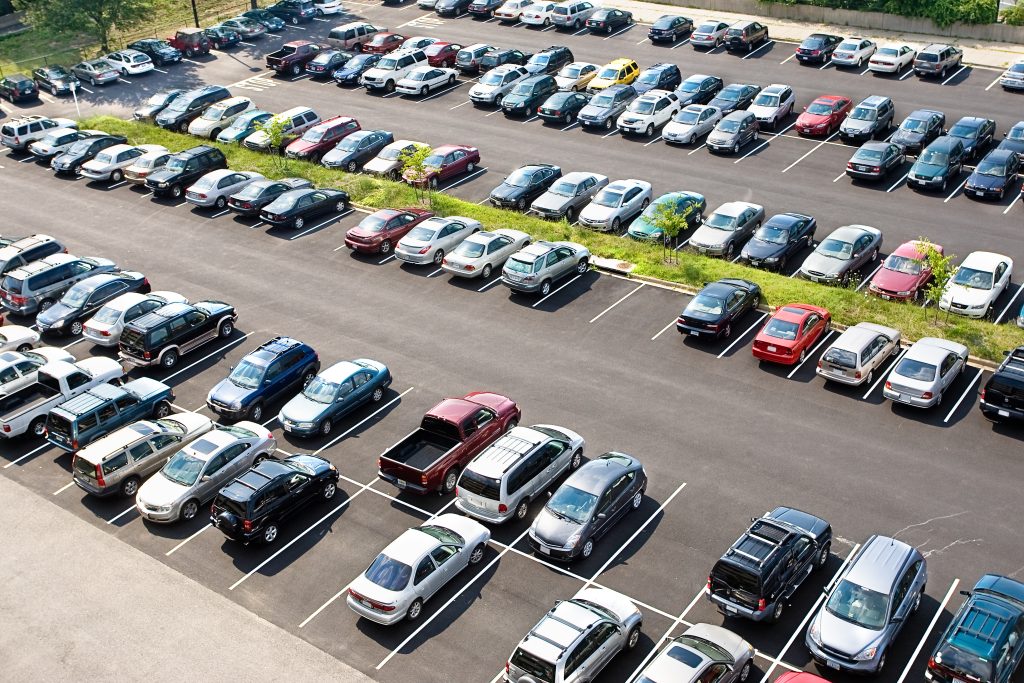
Traditional parking standards are rooted in decades-old suburban travel behaviour, with most parking ratios based on maximum observed demand rather than typical need. These one-size-fits-all requirements, embedded in municipal zoning bylaws, often result in
- Large numbers of stalls sitting empty even at peak times
- Higher construction costs, particularly for underground parking
- Poorer urban design
- Increased car dependency
Right-sizing challenges this outdated approach by replacing generic zoning minimums with an evidence-based parking supply. It is a site-specific, data-driven process that manages peak demand rather than overbuilding for rare conditions.
With right-sizing parking, valuable land could be better used for other purposes, for example unlocking space for affordable housing, community amenities or green spaces in compact areas. Right-sizing also promotes opportunities to reduce reliance on private vehicle use, helping to cut congestion and greenhouse gas emissions. As a result, right-sizing parking has gained prominence in urban planning and transportation practice as a more precise way to align parking supply with the actual needs of each development and location.

How Right Sizing is Done
To achieve the delicate balance between parking supply and actual usage, right-sizing relies on careful analysis of both the development and its surrounding context. One size does not fit all in the realm of parking. Different areas and land uses have distinct parking demands. Bunt & Associates’ role is to understand how a site will actually function and develop a parking strategy that reflects real needs, not outdated assumptions.
Right-sizing parking is a structured process that combines policy review, technical analysis, and an understanding of how people travel to and from a site. The goal is to determine how much parking is truly needed and whether reductions from bylaw requirements are appropriate and supportable.
The process typically begins with a review of municipal bylaws to establish the baseline parking requirements for both vehicles and bicycles. This provides an important starting point and helps identify where flexibility or relaxation may be possible. From there, the analysis considers how people are likely to travel to the site. By reviewing local travel patterns and mode splits, transportation professionals can estimate the proportion of trips expected by driving, transit, walking, or cycling.
Understanding the surrounding parking environment is equally important. This includes reviewing on-street parking regulations and supply within the immediate area, as well as identifying nearby publicly accessible off-street parking. These off-site resources can play a key role in accommodating occasional or peak demand, particularly in urban settings.
For residential developments, the assessment also considers municipal policies and whether reduced or zero parking aligns with broader objectives, such as supporting transit-oriented development. Transportation Demand Management (TDM) measures – such as secure bicycle parking, car share access, and transit incentives – are evaluated to ensure residents have viable alternatives to vehicle ownership. Based on these factors, a recommendation is made on whether a parking relaxation is appropriate.
Commercial and mixed-use developments require an additional layer of analysis. Parking demand is estimated using industry standards, comparable site data, and professional experience. Opportunities for shared parking are explored, recognizing that different uses often have peak demand at different times of day. The study also evaluates whether nearby parking supply can accommodate any overflow demand and identifies mitigation measures if needed.
Supporting Active Transportation
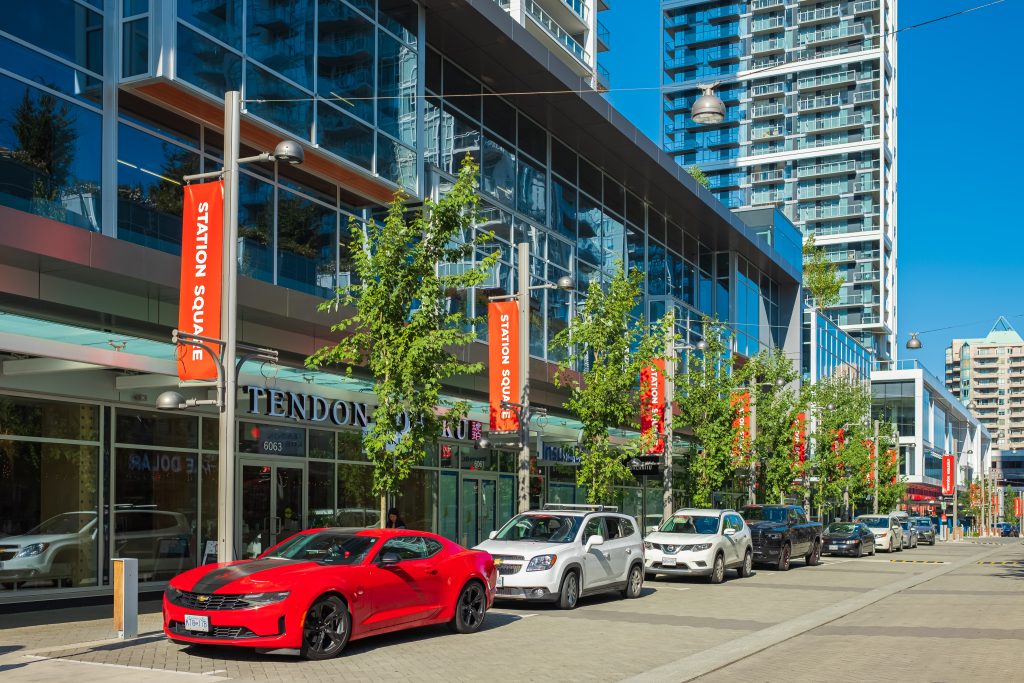
A key component of right-sizing parking is ensuring people have convenient and reliable alternatives to driving. This begins with evaluating how well the site is connected to its surroundings. Safe and continuous sidewalks, marked crossings, and direct pedestrian routes make it easier for residents, employees, and visitors to walk to nearby destinations and transit stops. Similarly, access to existing or planned cycling routes, as well as the inclusion of secure, convenient bicycle parking supports cycling as a practical everyday option.
Transit access is another core element. Frequent, reliable transit service within a comfortable walking distance can significantly reduce reliance on private vehicles. When strong transit and active transportation networks are in place, parking demand is naturally lower.
By aligning parking supply with active transportation options, developments can support healthier lifestyles, reduce congestion and emissions, and contribute to more connected, livable communities.
Early Innovations in Car-Light Living: N3 Condominiums, Calgary
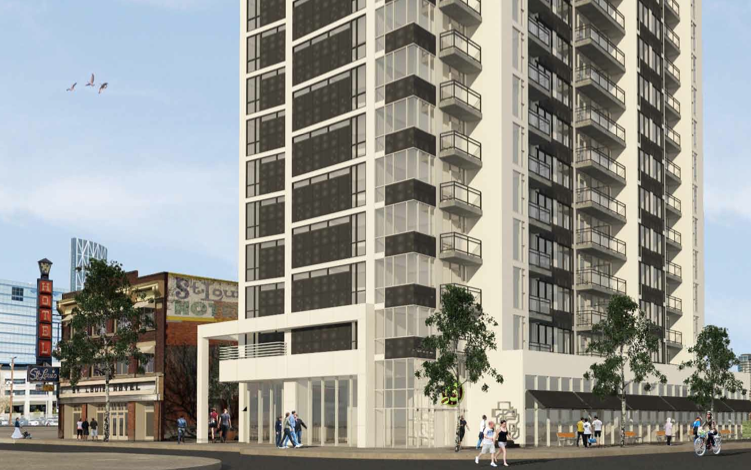
One of the earliest examples of right-sizing in practice is the N3 Condominiums located at Calgary’s East Village. Marketed as a “car-less condo” for a new generation of young urbanites, N3 was the first of its kind in Calgary, promoting zero parking. This reflected a shift toward urban living with less reliance on private vehicles.
To support the proposed approach, a detailed parking analysis was undertaken to determine the feasibility and impact of not supplying any parking stalls on-site for both residents and visitors so that a decision on bylaw parking relaxation for the development could be made.
The project demonstrated that, in a highly walkable, transit-served location, significantly reduced parking and even zero residential parking could be a viable option. The success of the N3 project set the stage for other developments to follow, and both the market and approving authorities have been supportive and progressive to this shift in thinking.
Supporting New Mixed-Use Communities: Flyover Block, Calgary
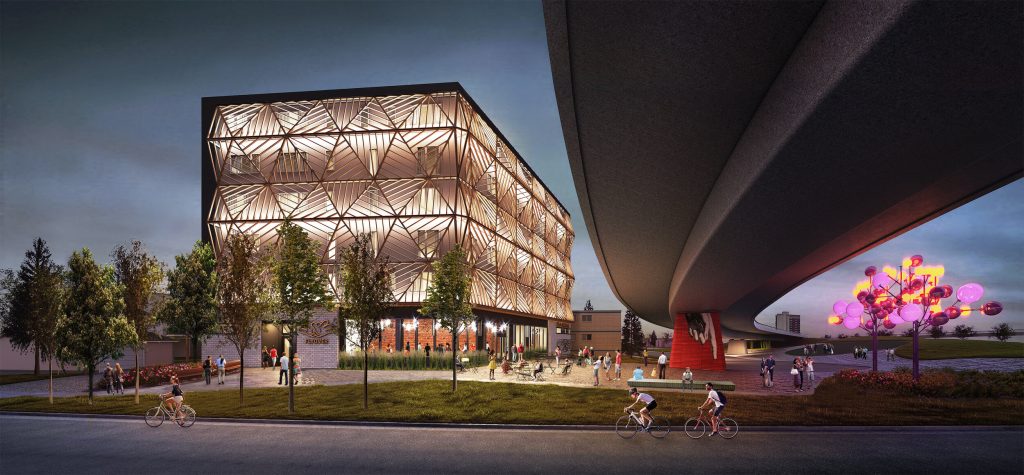
Another example can be found at Flyover Block. Located near Edmonton Trail and the newly emerging Flyover Park, the mixed-use development provides no residential parking. A parking study was completed to evaluate the feasibility of this approach, including reviewing nearby parking supply, estimating expected demand, and identifying TDM measures to support residents and visitors. Consideration was also given to how the development could integrate with the surrounding neighbourhood while minimizing potential impacts.
This work helped demonstrate how reduced parking can align with broader community goals, particularly in locations where walking, cycling, and transit are practical and accessible options.
Supporting Growth in Urban Centres: Oakridge Centre
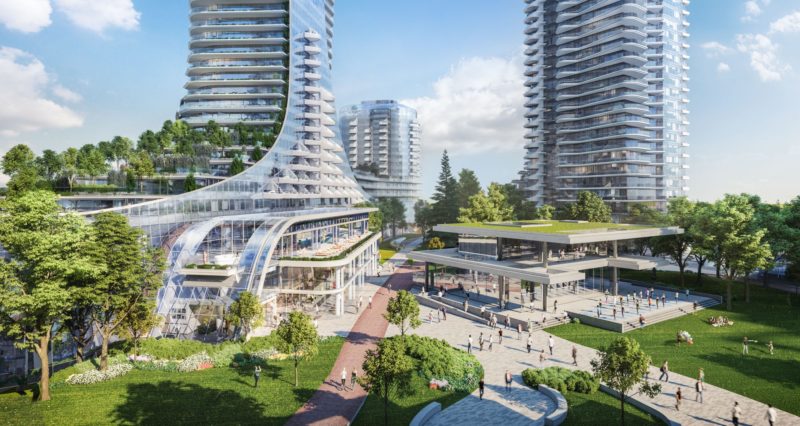
Across British Columbia, right-sizing parking has become an important part of enabling growth in dense, transit-oriented areas. Bunt has been involved in numerous parking studies to help municipalities and developers better understand parking demand and support context-sensitive parking strategies.
The redevelopment of Oakridge Centre (Oakridge Park) in Vancouver is one example. Located in a rapidly evolving urban centre with significant investments in rapid transit and active transportation infrastructure, Oakridge is directly served by SkyTrain and supported by a well-established pedestrian and cycling network. The Bunt team has worked with the project team to develop an access strategy for all modes of travel (vehicle, public transit, walking and cycling), a parking and loading supply rationale and comprehensive Transportation Demand Management (TDM) plans.
Taking advantage of its convenient location, Oakridge is built with aspiringly lower parking supply than the Vancouver Parking Bylaw requirements for all land uses, at that time, that supports the City’s Transportation 2040 goal. Comprehensive parking strategy that employed shared parking between different uses and intelligent parking systems along with provisions of secured automated bike storage, multiple public bike share facilities, dozens of carshare vehicles, and other supportive TDM measures for residents, visitors and employees were implemented to support this lower supply.
Unlocking Industrial Land Through Smarter Parking Planning
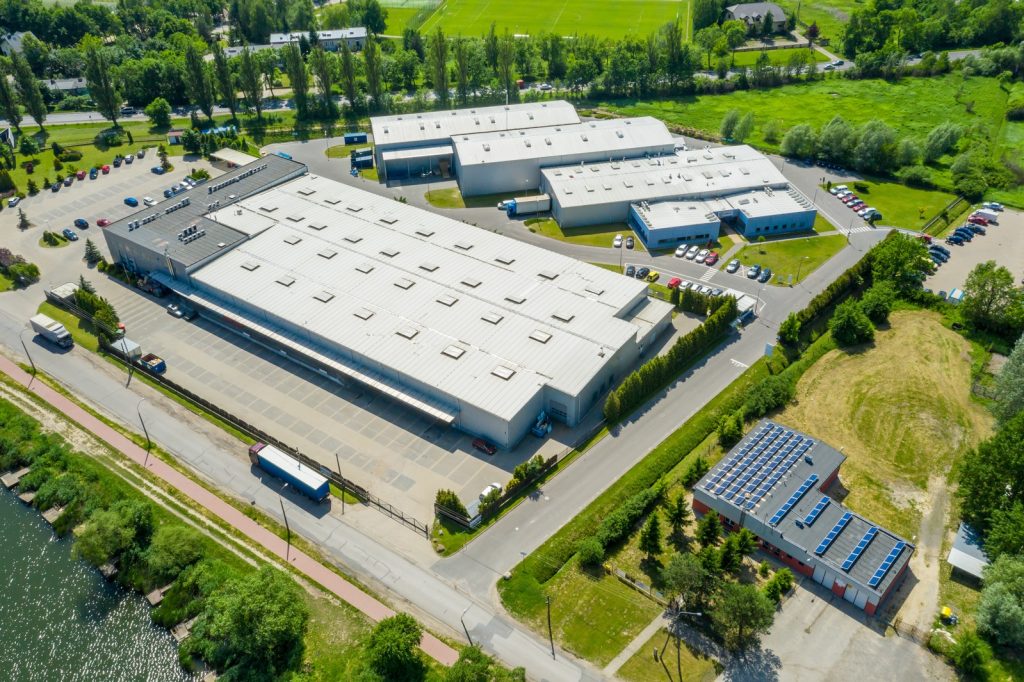
The scarcity of industrial land in the Metro Vancouver and Fraser Valley region has reached a critical level compared to other major port cities in North America. However, industrial land misuse and is often overlooked, particularly in land-constrained regions like Metro Vancouver and the Fraser Valley. Outdated bylaw requirements may result in more parking than necessary, reducing the space available for employment uses and limiting development potential.
To better understand industrial parking needs, Bunt, in partnership with NAIOP Vancouver, conducted an extensive study of 62 industrial sites across the Metro Vancouver and Fraser Valley regions. The study examined parking supply, peak demand, and utilization patterns, and compared observed demand with municipal bylaw requirements.
The findings highlighted opportunities to better align parking supply with actual demand, particularly when considering factors such as building size and access to transit. This work helps inform more efficient parking standards and demonstrates how right-sizing can support the long-term viability of industrial lands, ensuring space is used for jobs, operations, and economic growth rather than underutilized parking. Click here for more information.
Connect With Our Team
Right-sizing provides a balanced path forward. By aligning parking supply with actual demand, developments can function effectively while supporting broader community goals. It allows valuable space and resources to be directed toward housing, public spaces, and amenities, rather than unused parking stalls. Just as importantly, it helps create environments where walking, cycling, and transit are realistic and attractive options.
This shift does not happen by chance. It requires thoughtful analysis, collaboration, and a clear understanding of local context. With the right approach, parking can support the creation of vibrant, connected communities.
Our team has supported parking strategies for a wide range of residential, commercial, and mixed-use developments across Western Canada. If you are exploring opportunities to optimize parking supply, support a bylaw relaxation, or better align your project with today’s transportation realities, we welcome the opportunity to connect.
Contact our principals to learn how right-sizing parking can support your next development.
- BC Projects
Yulia Liem, Principal & Regional Manager, BC | ypliem@bunteng.com
Christephen Cheng, Principal & Lead, Innovation | ccheng@bunteng.com - Prairies Projects
Jason Dunn, Principal & Regional Manager, Prairies | jdunn@bunteng.com
Amrit Uppal, Principal & Senior Transportation Engineer | auppal@bunteng.com
Share this article